
Builders in Fulham: Professional Building Services for Renovations and New Builds

Whether you are planning a complete home renovation, expanding your living space or considering a new build, choosing the right contractor is essential for achieving a successful result. Professional building work can improve the comfort, functionality and long-term appeal of your property when it is carefully planned and managed. Crest Projects helps property owners explore building solutions suited to their needs, priorities and budgets. If you are searching for reliable Builders in Fulham, working with an experienced team can help you approach your project with greater confidence, from initial planning through to completion.
Comprehensive Building Services for Homes and Properties
Every building project starts with a different set of requirements. Some homeowners want to modernise an older property, while others need additional bedrooms, a larger kitchen or a complete change to their existing layout. Crest Projects recognises the importance of understanding the intended outcome before deciding on the most appropriate approach to construction and property improvement.
Professional building services can include renovations, extensions, refurbishments, structural alterations and new-build projects, depending on the contractor’s capabilities. Each project requires suitable planning, clear communication and careful coordination of the work involved. Establishing expectations at the beginning helps property owners understand the scope of the project, identify priorities and make informed decisions about materials and finishes.
A well-organised building process also helps homeowners anticipate practical considerations, including access, scheduling, noise and the availability of essential services during construction.
Why Choose Experienced Builders in Fulham?
Fulham has a diverse residential landscape, with period houses, Victorian and Edwardian properties, terraced homes and contemporary developments. These different property types can present different construction challenges, making it important to select a contractor who understands the requirements of the proposed work.
For example, renovating an older home may involve assessing existing structures, upgrading outdated installations or preserving original architectural features. A modern property improvement project may instead focus on creating open-plan living areas, improving storage or making rooms more functional.
When comparing contractors, look beyond the initial quotation. Ask about relevant project experience, insurance, references and the proposed schedule. A detailed written quotation should explain the work included, the materials specified, payment arrangements and any exclusions. These details make it easier to compare options fairly and reduce the likelihood of misunderstandings later.
Clear communication is equally important. You should know who will coordinate the work, how progress will be reported and how unexpected issues or changes will be discussed.
Home Renovations to Modernise Your Property
Renovating a home can improve its appearance while addressing practical problems that affect everyday life. Common renovation projects include updating kitchens and bathrooms, replacing flooring, refreshing interiors, improving lighting and reconfiguring rooms to make better use of available space.
A successful renovation begins with identifying the property’s current limitations. An awkward layout may benefit from carefully considered changes, while worn finishes or outdated fittings may require straightforward upgrades. In older buildings, it is also sensible to investigate potential issues such as damp, deteriorating materials or ageing electrical and plumbing systems before starting decorative work.
Prioritising essential repairs can help prevent avoidable complications during the project. Homeowners should discuss the order of work with their contractor so that structural repairs, plumbing, electrical installations and other necessary tasks are addressed before final finishes are applied.
House Extensions for Additional Living Space
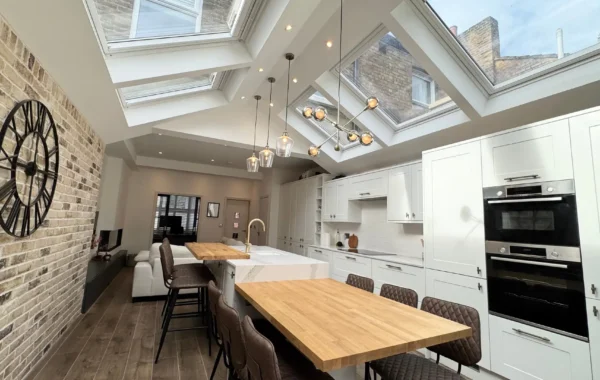
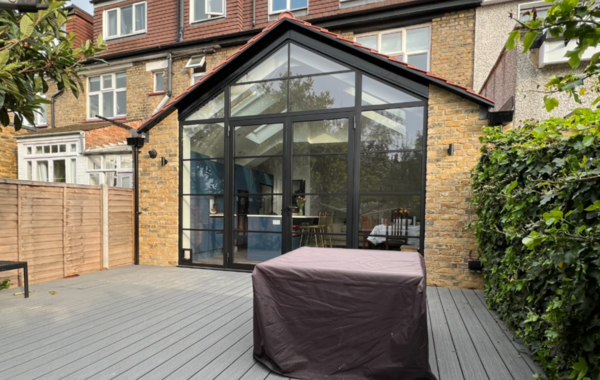
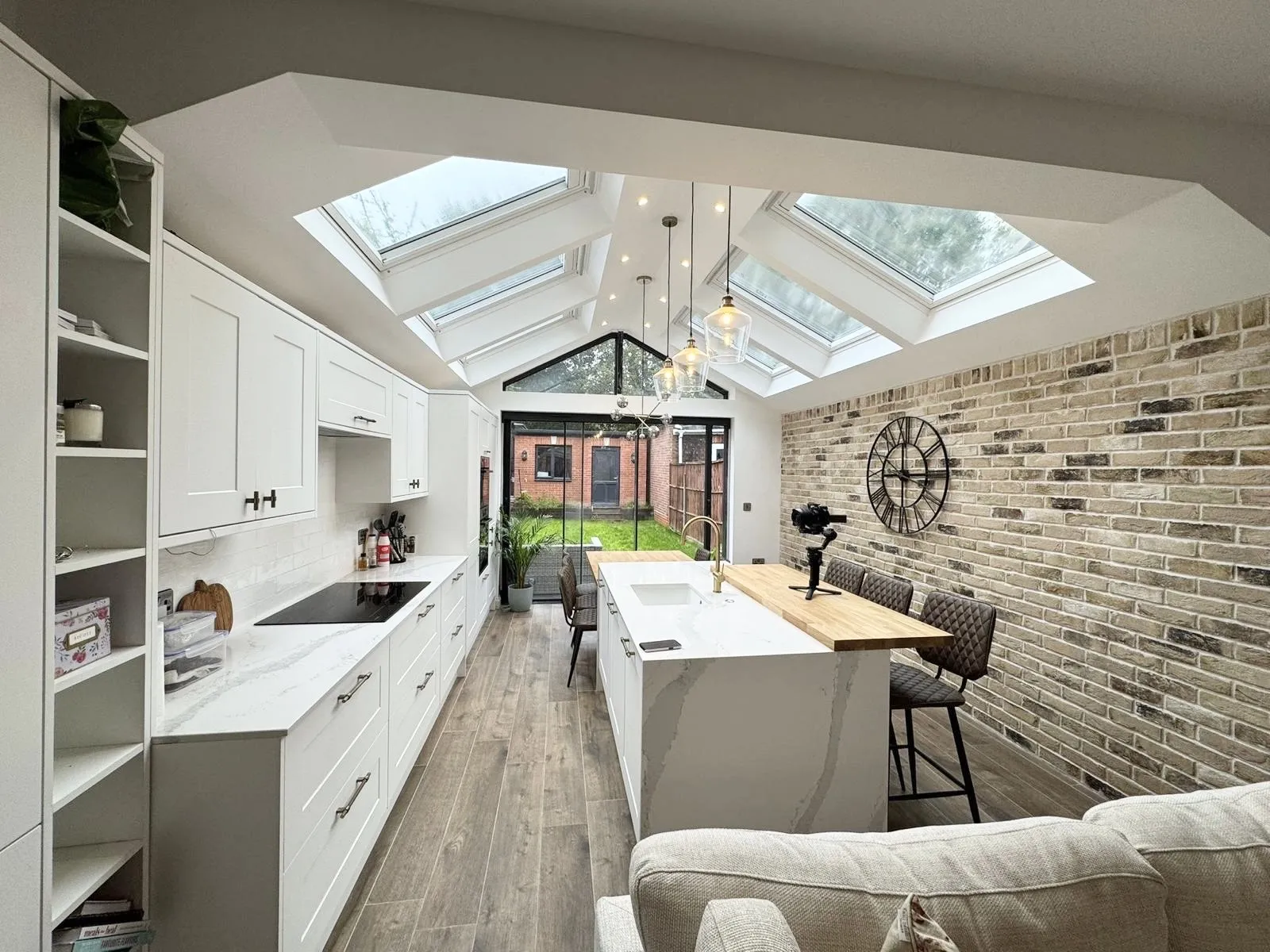
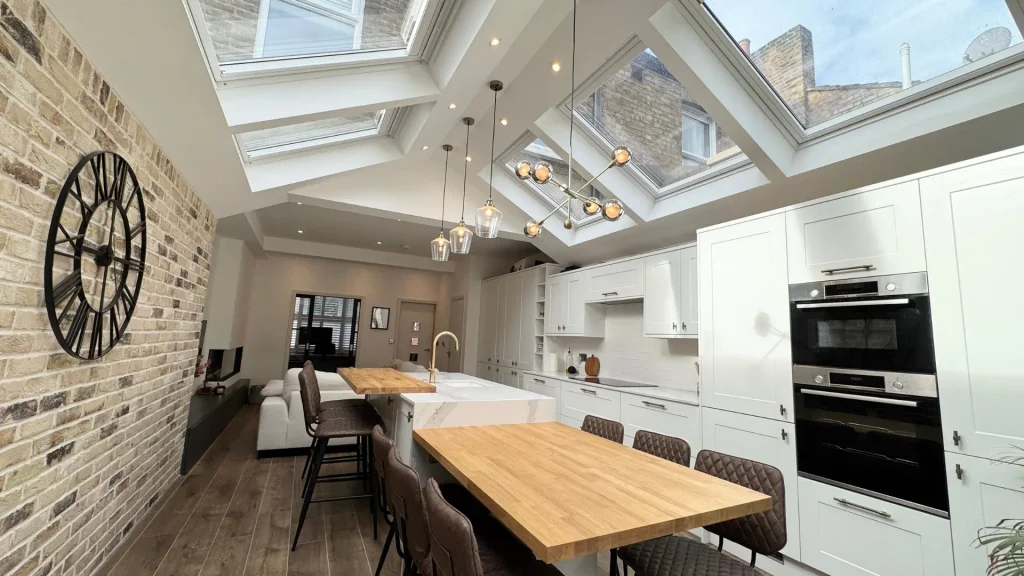
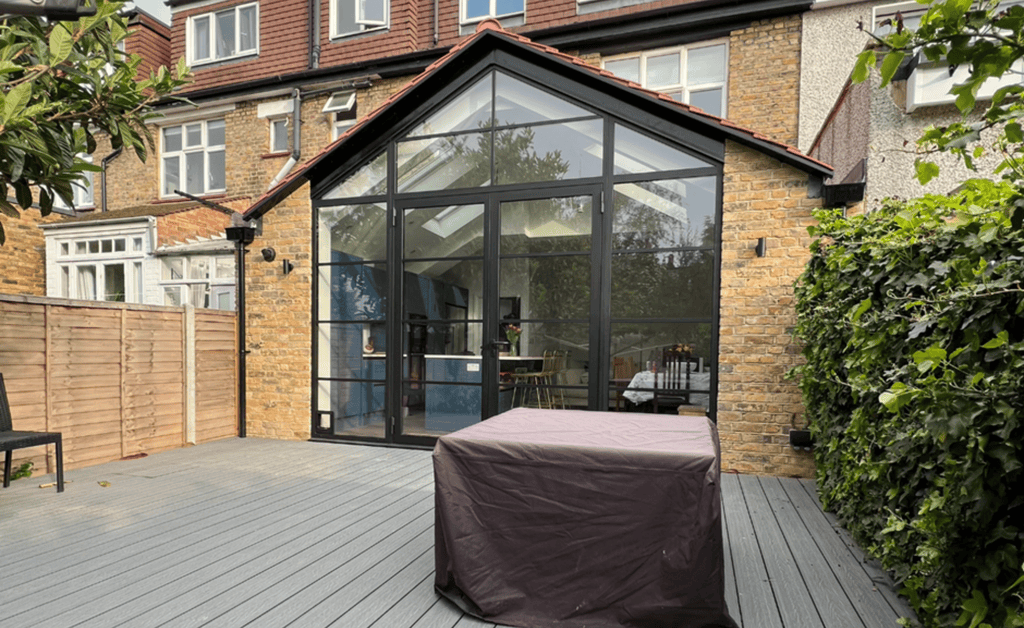
A house extension can offer a practical alternative to moving when a property no longer meets a household’s needs. Depending on the available space and the home’s layout, options may include rear extensions, side extensions or larger kitchen and dining areas.
An extension can create room for a growing family, provide a dedicated home office or improve the connection between indoor and outdoor living spaces. Thoughtful design can also help maximise natural light and make the new space feel integrated with the existing property.
Before proceeding, establish the intended layout, budget, materials and construction timeline. Planning permission requirements depend on the property’s circumstances and the proposed design. Even when planning permission is not required, building regulations may still apply. Check the relevant requirements with the local authority or an appropriately qualified professional before work begins.
New Builds and Construction Planning
Building a new property involves several stages, from initial design and site assessment to construction, inspections and final completion. Careful coordination is particularly important because decisions made during the early stages can affect costs, scheduling and the finished building.
Before committing to a new-build project, clarify the scope of the work and identify the professionals responsible for design, structural considerations, building services and construction. The precise arrangements will depend on the project and the services offered by the chosen contractor.
A realistic budget should account for more than the main construction work. Depending on the circumstances, costs may include professional fees, surveys, permissions, utility connections, materials and external landscaping. Setting aside a contingency can also help manage unexpected expenses.
Regular communication and documented decisions support better project coordination. Agreeing on milestones, reviewing progress and recording approved changes can help keep the project aligned with the original objectives.
Improving Property Functionality and Long-Term Value
Building improvements can make a property more comfortable and practical while potentially increasing its appeal to future buyers. However, the value added depends on the type and quality of the work, the property’s existing condition and local market demand.
Useful improvements may include better room layouts, additional storage, updated kitchens and bathrooms, improved insulation and more efficient use of natural light. Durable materials and appropriate workmanship can also help reduce future maintenance needs.
The best investment is not necessarily the largest project. Homeowners should consider which changes will make the greatest difference to daily living and whether the proposed improvements are appropriate for the property. A balanced approach considers budget, practicality, appearance and long-term maintenance.
How to Prepare for a Building Project
Taking time to prepare can make construction work easier to manage. Before appointing a contractor, write down your objectives, identify essential improvements and establish a realistic budget.
Use these steps as a starting point:
- Define your goals: Decide whether you need a renovation, extension, refurbishment or new-build service.
- Establish your budget: Include labour, materials, professional fees and a contingency for unexpected costs.
- Request a detailed quotation: Confirm the work included, proposed materials, exclusions and payment terms.
- Check permissions: Establish whether planning permission, building regulations approval or other requirements apply.
- Agree on a schedule: Discuss milestones, access, communication and how delays or changes will be managed.
- Review completed work: Check the finished project against the agreed scope and clarify any outstanding items.
Keeping decisions and changes in writing helps everyone understand what has been agreed and provides a useful record throughout the project.
Frequently Asked Questions
What building services are available in Fulham?
Building projects may include home renovations, house extensions, property refurbishments, structural alterations and new builds. Contact the contractor directly to confirm which services are available for your requirements.
Do I need planning permission for renovation work?
Some internal improvements may not require planning permission, while extensions and external alterations can be subject to specific rules. Listed buildings and properties in designated areas may have additional requirements. Check with the local authority before starting work.
How long does a building project take?
The timeline depends on the project’s size, complexity, permissions, material availability and any unexpected issues. Request a project-specific schedule rather than relying on a general estimate.
How can I compare building contractors?
Compare relevant experience, written quotations, insurance, references, communication and the clarity of the proposed work. Make sure you understand the payment terms and how variations will be handled.
Can renovations improve property value?
Renovations may improve a property’s appeal and market value, but results vary according to local demand, the quality of the work and the type of improvements made. Consider both your personal needs and the property’s long-term prospects.
Conclusion
A well-planned building project can transform a property, improve its functionality and create a more comfortable environment for years to come. From modernising existing interiors to extending a home or planning a new build, selecting a suitable contractor and establishing clear expectations are important steps towards a successful outcome. Crest Projects can be contacted to discuss your building requirements and explore suitable options for property improvements in Fulham and the surrounding areas.
Contact Crest Projects
- Phone: 020 8088 8281
- Email: info@crestprojects.co.uk
- Address: London, United Kingdom.