
Builders in Ealing: Reliable Building Services for Home Renovations and Extensions

Improving your home is an investment in comfort, functionality and long-term property value. Whether you are planning a kitchen renovation, a loft conversion or a complete property refurbishment, choosing an experienced building contractor is essential for achieving a successful result. Crest Projects supports property improvement projects with building services tailored to homeowners’ requirements. For those searching for reliable Builders in Ealing, finding a team that understands project planning, quality workmanship and clear communication can make the entire process easier.
Why Choose Professional Building Services?
Building work involves more than completing physical construction. Successful projects require careful planning, suitable materials, coordination between tradespeople and attention to building regulations where applicable. Working with a professional contractor can help homeowners manage these requirements and reduce the risk of unnecessary delays.
Crest Projects can be a point of contact for property owners exploring building and renovation work in London. Before choosing a contractor, it is sensible to discuss the project’s scope, expected timescale, budget and finish requirements. Clear communication from the beginning helps establish realistic expectations and provides a framework for managing the work.
Professional building services can also help identify potential issues before construction begins, allowing homeowners to make informed decisions about design, materials and practical requirements.
Building Services for Homes in Ealing
Every property has different needs. Some homeowners want to modernise an older interior, while others need additional space to accommodate a growing family or changing lifestyle. Experienced Builders in Ealing can help property owners assess their options and plan suitable improvements.
Common residential building services include:
- Home renovations and refurbishments
- House extensions and additional living space
- Kitchen and bathroom renovations
- Loft conversions and property alterations
- Internal remodelling and layout changes
- Plastering, decorating and finishing work
- General building repairs and improvements
The availability of individual services depends on the contractor’s expertise and the requirements of the project. Homeowners should confirm the scope of work directly before proceeding.
Home Renovations and Refurbishments
A home renovation can improve the appearance, comfort and usability of a property without requiring a complete rebuild. Projects may involve updating outdated rooms, replacing worn finishes, improving storage or reconfiguring internal spaces.
Modernising Interiors
Older properties can benefit from updated layouts, contemporary finishes and improved lighting. Renovation work may include new flooring, plastering, decorating and changes to internal fixtures.
A well-planned refurbishment should balance visual appeal with practical considerations, including durability, maintenance and the needs of the people living in the home.
Improving Kitchen and Bathroom Spaces
Kitchens and bathrooms are among the most frequently used areas of a property. Renovating these spaces can improve functionality and create a more comfortable environment.
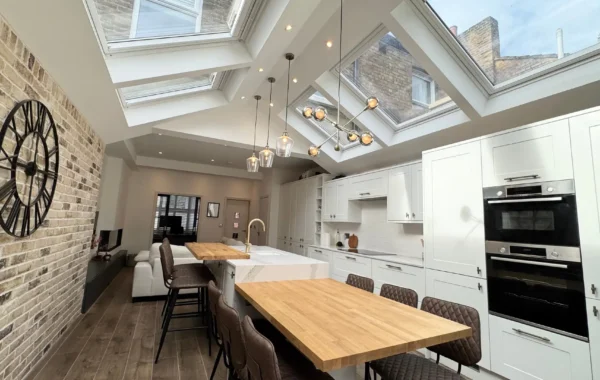
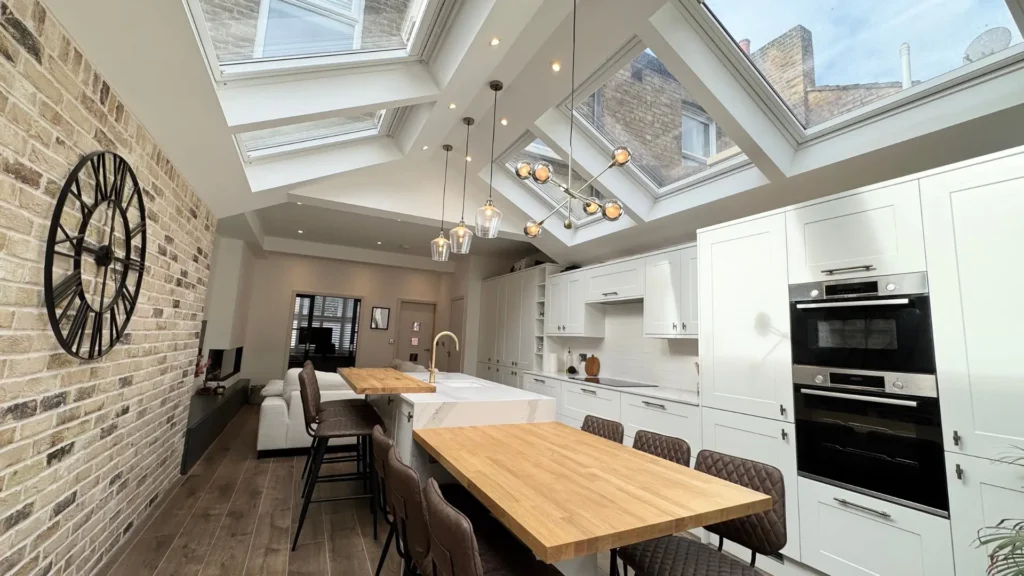
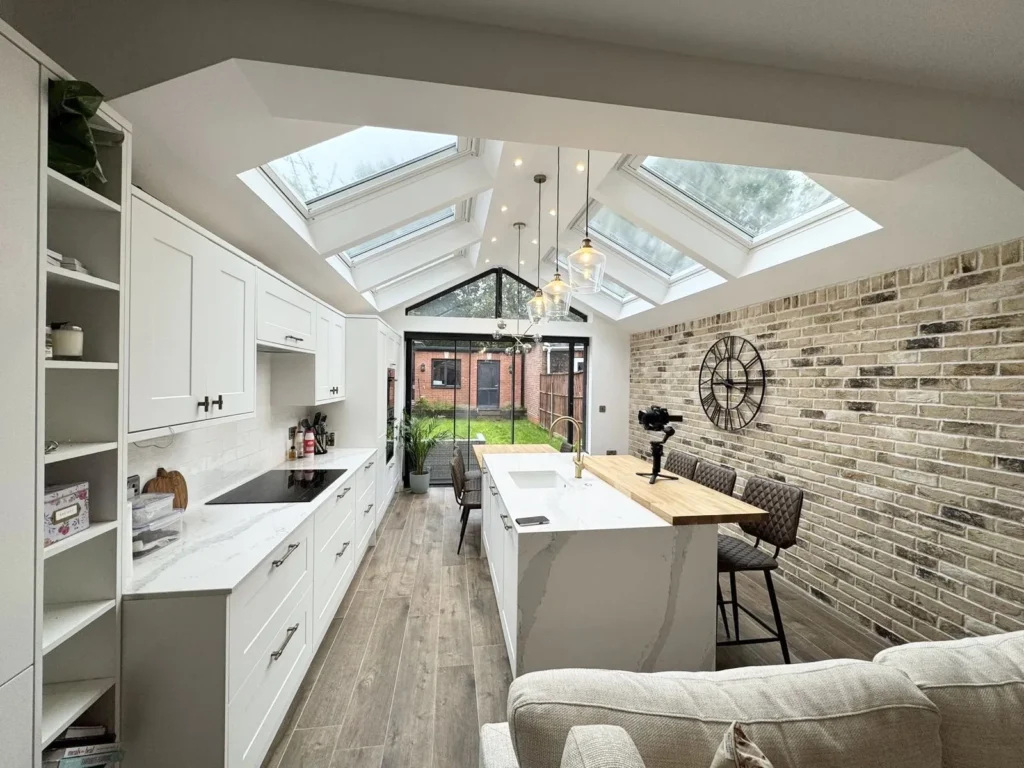
Kitchen projects may involve installing cabinets, updating worktops and improving the arrangement of appliances. Bathroom renovations may include replacing sanitaryware, updating tiling and improving ventilation.
Plumbing and electrical work should be completed by appropriately qualified professionals, with relevant certification and regulatory requirements addressed where necessary.
House Extensions for Additional Space
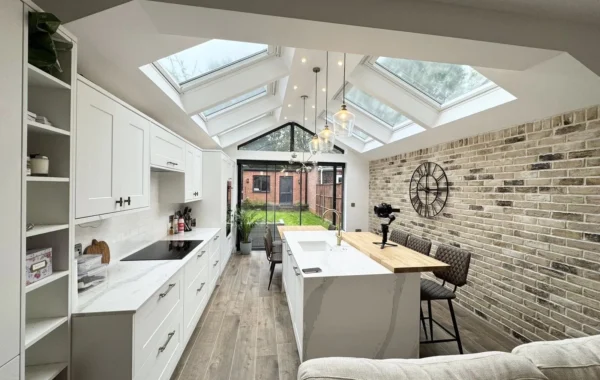
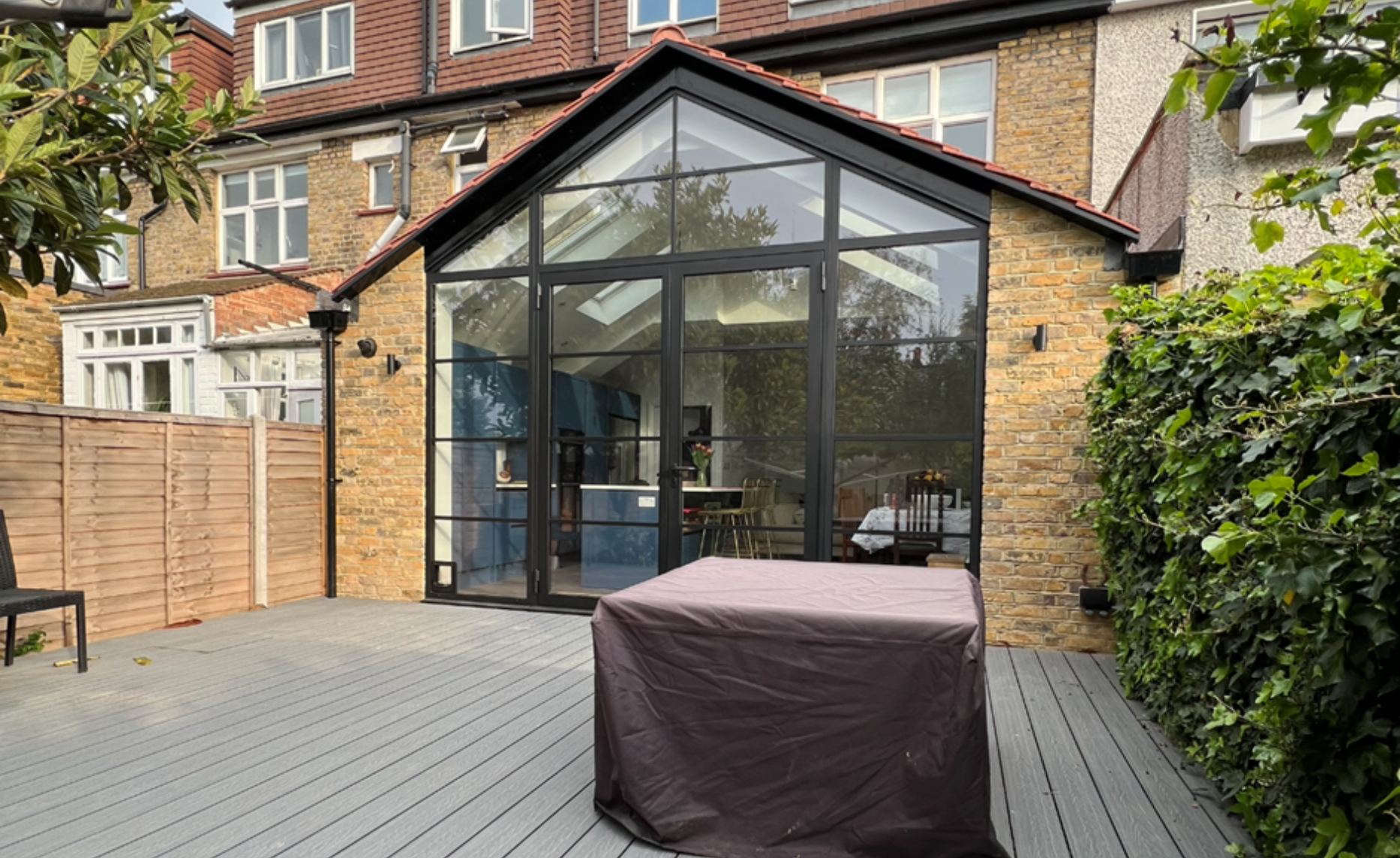
Moving house is not always the preferred option when a family needs more room. A well-designed extension can provide additional living space while allowing homeowners to remain in a familiar neighbourhood.
Depending on the property and available space, an extension may create a larger kitchen, an open-plan dining area, a home office or an additional reception room.
Before starting an extension, homeowners should consider the following:
- Planning permission: Establish whether planning permission is required or whether the proposed work qualifies under permitted development rights.
- Building regulations: Check the applicable requirements for structural safety, insulation, ventilation, fire safety and other relevant standards.
- Design and layout: Consider how the new space will connect with the existing property.
- Budget: Account for construction, materials, professional fees and a reasonable contingency.
- Neighbouring properties: Consider boundaries, access and potential disruption during construction.
A carefully planned extension can improve everyday living while making better use of the available property footprint.
Loft Conversions and Property Improvements
A loft conversion can transform underused roof space into a more functional area. Depending on the property’s structure and suitability, the new space could serve as a bedroom, study, hobby room or additional living area.
The feasibility of a loft conversion depends on factors such as headroom, roof construction, access and structural requirements. Fire safety, insulation, ventilation and stair access must also be considered.
Homeowners should obtain a professional assessment before committing to the project. This helps establish whether the proposed design is practical and what permissions, approvals or structural work may be necessary.
Other property improvements, such as internal remodelling and upgraded finishes, can also help make a home more comfortable and suitable for modern living.
How to Choose the Right Building Contractor
Selecting a contractor is one of the most important decisions in any renovation or extension project. Comparing options carefully can help homeowners find a provider whose experience, working methods and pricing suit their requirements.
When evaluating Builders in Ealing, consider these factors:
Relevant Experience
Ask about previous projects similar to yours. Experience with comparable renovations or extensions can help a contractor understand the practical challenges involved.
Written Quotations
Request a detailed written quotation explaining the proposed work, materials, exclusions and payment arrangements. Comparing like-for-like quotations makes it easier to understand differences in cost.
References and Previous Work
Where available, review previous projects and speak to past customers. This can provide useful insight into workmanship, communication and project management.
Insurance and Qualifications
Confirm that the contractor has appropriate insurance and that relevant specialist work will be undertaken by suitably qualified professionals.
Communication and Scheduling
Discuss the anticipated start date, project duration, access arrangements and how changes will be managed. Agreeing on a clear communication process can help avoid misunderstandings during construction.
Planning a Building Project Successfully
Good preparation can make building work easier to manage. Begin by identifying the improvements you want, setting a realistic budget and prioritising essential requirements.
Where appropriate, obtain architectural drawings, structural advice and planning guidance before construction starts. Agree on the project scope in writing and clarify who is responsible for arranging permissions, inspections and specialist trades.
It is also useful to plan for temporary disruption, particularly when renovating a kitchen, bathroom or several rooms at once. Allowing contingency funds and time for unexpected issues can make the project more manageable.
A structured approach helps homeowners monitor progress and make informed decisions throughout the building process.
Frequently Asked Questions
Do I need planning permission for a home extension in Ealing?
Some extensions may qualify under permitted development rights, while others require planning permission. The answer depends on the property’s circumstances, the proposed design and applicable restrictions. Check with the relevant local planning authority before work begins.
How much does a home renovation cost?
Costs depend on the size of the property, the extent of the work, material choices and the complexity of the project. Requesting a detailed quotation is the best way to establish a realistic budget.
How long does a building project take?
Timescales vary according to the type of work, project size, availability of materials and any necessary approvals. A contractor should provide an estimated schedule based on the agreed scope.
What should I check before hiring a builder?
Review relevant experience, written quotations, references, insurance, qualifications where applicable and the proposed payment schedule. Ensure that responsibilities and the scope of work are clearly documented.
Conclusion
Renovations, extensions and property improvements can make a home more practical, comfortable and attractive. Careful planning, suitable materials and clear communication all contribute to a smoother building project. By comparing experience, quotations and working arrangements, homeowners can make an informed choice when selecting Builders in Ealing for their property improvement needs.
Contact
Phone: 020 8088 8281
Email: info@crestprojects.co.uk
Address: London, United Kingdom.